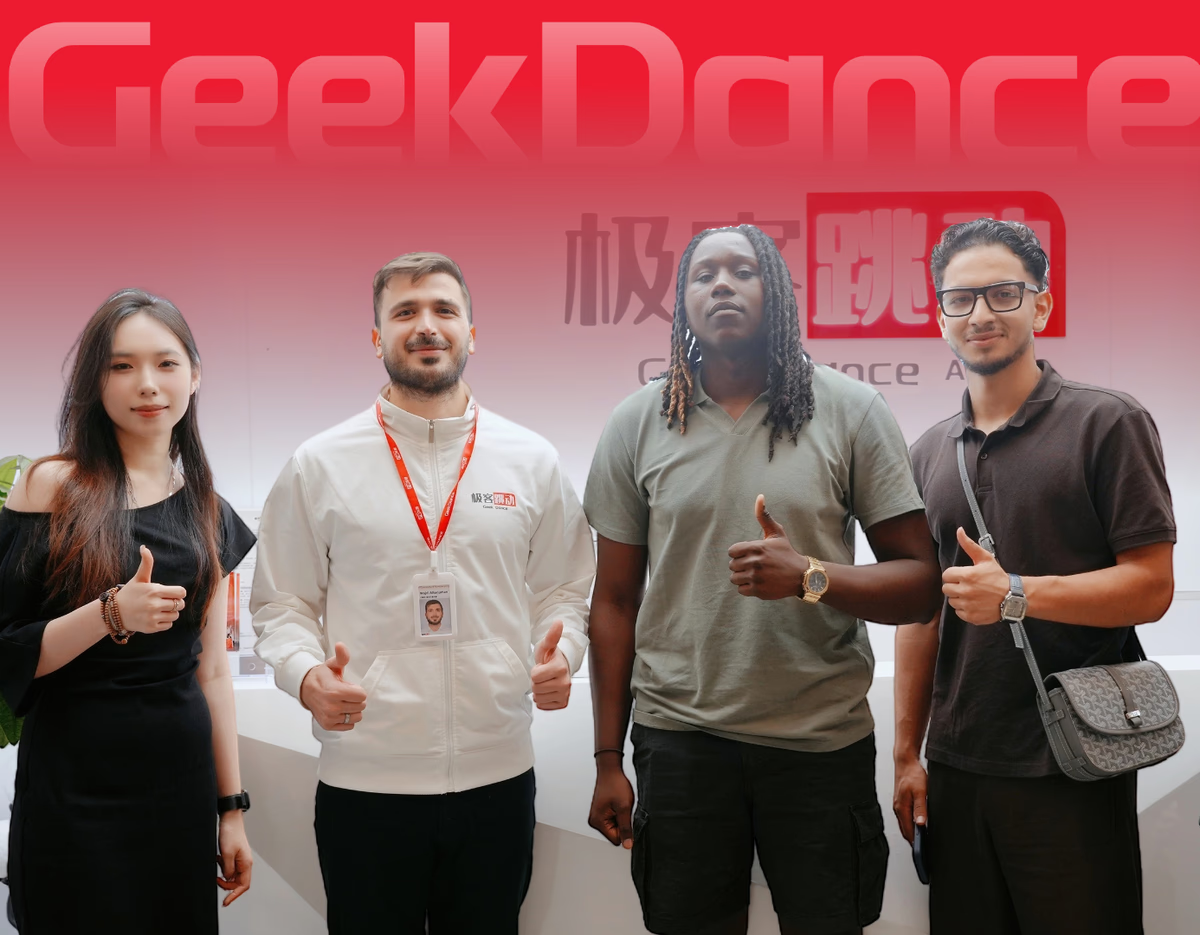
With 10 years of experience in overseas app development, GeekDance has worked with nearly 200 companies planning to go global. We've found that most companies face a critical decision before launching an overseas project: should they choose a familiar domestic development team or a local team in the target market? This choice directly impacts project cost, implementation efficiency, and even market adaptation. Drawing on our experience delivering over 120 overseas projects (covering 20+ countries including Europe, America, Southeast Asia, and the Middle East), we'll discuss from three dimensions—technical implementation, cost control, and risk avoidance—why most companies ultimately prefer domestic teams, and share some tips to avoid pitfalls when selecting a team.

1. Why Prioritize Domestic Teams?
For overseas apps, companies care most about technology, cost, and risk. Domestic teams are better suited to address these needs, a consensus GeekDance has reached after serving hundreds of projects:
1.1 Technology on Par with International Standards, with Deeper Understanding of Overseas Implementation Details
Don't assume "foreign technology is superior." Leading domestic teams have already caught up with international standards and have more precise practical experience. For example, GeekDance's core team comes from Tencent and Alibaba, with expertise in Flutter/React Native cross-platform development, GDPR/CCPA compliance encryption, and more importantly, understanding "overseas hidden requirements"—such as adapting weak network image compression and Gcash payment integration for Southeast Asian apps, or proactively planning privacy permission layers for European and American apps. Many small foreign teams require repeated communication to grasp these details.
Moreover, domestic teams iterate faster: last year, we served a European/American utility app where users complained about complex registration; we optimized it within a week. The client's previous US team took 10 days just for approval, unable to keep up with market pace.
1.2 Cost Savings of at Least 40%, with Full-Chain Service Convenience
The main cost of overseas development is labor. Senior domestic engineers earn only 1/3 to 1/2 of their European/American counterparts, with no high hidden costs.
GeekDance can integrate overseas resources (e.g., Middle East local translators, AWS international nodes), so clients don't need to coordinate with multiple service providers separately, reducing rework losses.
1.3 Familiarity with Overseas Pain Points, Proactive Pitfall Avoidance
Domestic teams have experienced the wave of app going global and are more sensitive to market pitfalls. GeekDance has helped clients avoid many risks: avoiding religiously sensitive colors for Middle Eastern apps, adapting to 2GB RAM low-end phones for Southeast Asian apps, and assisting with HIPAA compliance for European/American medical apps. Ignoring these details could cost over 100,000 RMB in later rectification or even lead to app removal.
2. When to Consider Combining with Overseas Teams?
Of course, domestic teams are not a panacea. GeekDance also recommends flexible combinations based on project needs to avoid a one-size-fits-all approach:
2.1 Deep Localization for Less Common Languages (e.g., Middle East, South America, non-English markets)
Overseas teams excel in "cultural understanding," such as local social etiquette and interface preferences. However, GeekDance usually suggests "domestic for technology + overseas for localization": we build the framework and core functions, while overseas teams handle fine translation and holiday theme adjustments, balancing stability and localization effect.
2.2 High-Compliance Fields (e.g., European/American medical, financial apps)
Compliance requirements like HIPAA in Europe/America and MiFID II in finance are strict, and overseas teams have a more detailed interpretation of regulations. In such cases, we recommend clients hire overseas compliance consultants for planning, while GeekDance handles technical implementation, such as medical data encryption and financial identity authentication, ensuring "professionals do their part."
2.3 Trust Needs from European/American Clients for Local Teams
Some European/American companies prefer local communication. GeekDance proactively provides European/American case studies (e.g., US e-commerce app download links, user data), assigns English-fluent dedicated project managers, and shares progress visualization reports to alleviate cross-regional communication concerns.
3. How to Avoid Pitfalls When Choosing a Domestic Team? GeekDance's 4 Practical Methods
Many companies fall into traps like "shell companies" or "low-price bait" when selecting domestic teams. Based on our own service standards, GeekDance summarizes 4 actionable screening methods to help companies avoid 90% of risks:
3.1 Check "Hard Strength": 3 Details to Verify Authenticity
Don't just look at website promotions; focus on 3 core points, which are also GeekDance's basic requirements for itself:
Qualification Threshold: Prioritize companies established for over 5 years, requiring business license, software enterprise certification, ISO9001 certification, to avoid small workshops;
Verifiable Cases: Reject screenshots; require App Store/Google Play links, preferably with the ability to contact past clients;
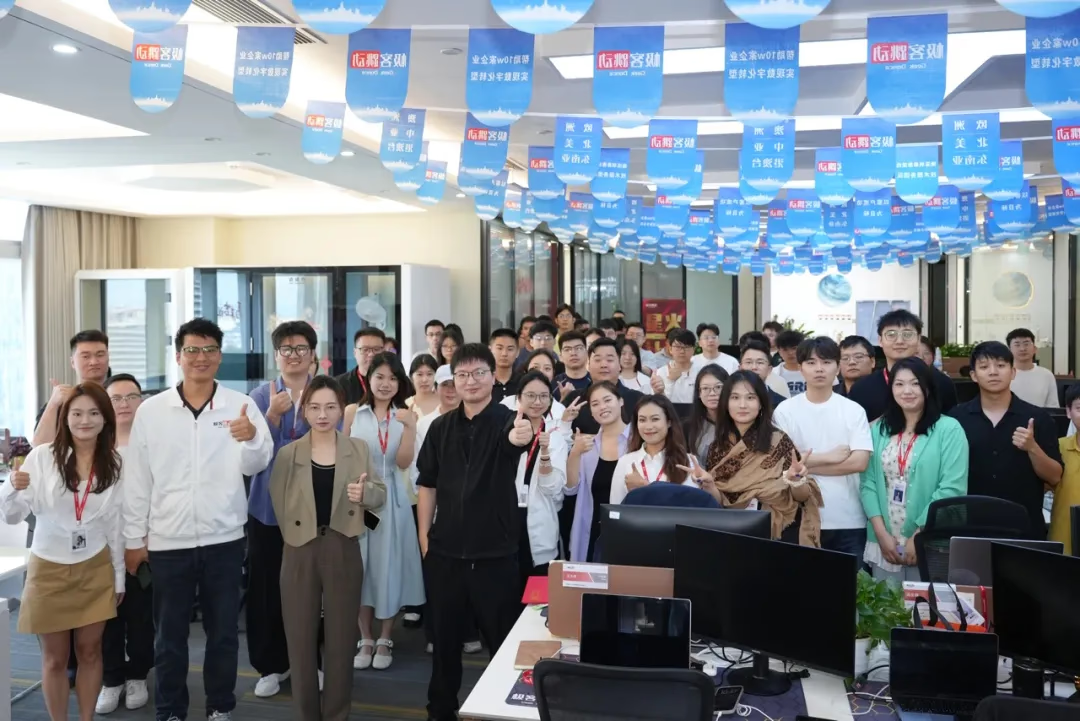
Team Size: Avoid teams with fewer than 10 people; confirm a fixed office location (GeekDance's Shenzhen office has 100+ full-time members, available for video or on-site inspection), eliminating outsourcing intermediaries.
3.2 During Requirement Discussions, See if They "Ask Questions Proactively"
Professional teams won't just echo "whatever you want, we'll do." Like GeekDance, we conduct preliminary research when engaging clients: if a client says "build a Southeast Asian e-commerce app," we ask "target country Indonesia or Malaysia? What are the mainstream payment methods? Do users prefer Android or iOS?"—being able to ask these questions indicates experience; if they can't answer basic questions like multi-language adaptation, decisively eliminate them.
3.3 Contract Must Clearly Specify "4 Core Clauses"
Many disputes arise from vague contracts. Therefore, when signing, ensure the following clauses are clear:
Milestone Deliverables: Break down phases (e.g., "UI draft in month 1," "test version launch in month 3"), requiring client acceptance to proceed (we provide phase reports);
Payment Terms: Advance payment not exceeding 50% (GeekDance charges 30%), progress payments based on milestones, final payment of 10%-20% (paid after 1 month of launch with no bugs), to avoid negativity after full upfront payment;
After-Sales Support: Free maintenance for 12 months (GeekDance standard), 24-hour response for urgent bugs, clear iteration fees;
Liability for Breach: For example, if GeekDance delays delivery, compensate 5% of total fee per week; if client terminates without cause, pay for completed work.
4. Summary: GeekDance's Decision Framework for Overseas App Development
Based on 10 years of service experience, GeekDance has developed a simple and actionable decision framework for companies planning to go global:
First, Determine Communication Basis: Smooth English communication → prioritize domestic teams; deep localization for less common languages → domestic for technology + overseas for localization;
Then, Screen Team Standards: Follow the four steps "check qualifications and cases → discuss requirements to assess professionalism → sign detailed contract → judge quotation reasonableness," referencing GeekDance's service standards for comparison;
Key Pitfall Reminders: Don't trust low prices below 300,000 RMB; don't choose teams without overseas cases; don't leave vague clauses in contracts.
The core of overseas app development is "choosing a team that can solve problems." GeekDance firmly believes that domestic teams' technical and cost advantages, combined with their understanding of overseas markets, are the optimal solution for most companies going global. If your team is planning an overseas app, start by "checking cases and discussing requirements" and find a team with practical experience and transparent services like GeekDance to keep your project on the right track.
Technology is not the goal — exponential business growth is.