In an era where software is eating the world and AI is reshaping software, a more profound transformation is underway: Artificial Intelligence (AI) is breaking through the confines of the virtual world and deeply integrating with physical entities, giving rise to unprecedented forms of intelligent products. This is no longer a simple "software + hardware" combination, but a system-level innovation that integrates "AI chips + intelligent algorithms + specialized hardware" as a trinity. This revolution of "AI + hardware-software integration" is becoming the key to building next-generation core competitiveness.
I. Why "AI + Hardware-Software Integration"? An Inevitable Trend Beyond Pure Software
Pure software AI applications (such as website recommendations, chatbots) have matured, but their value is limited by network, computing power, and interaction boundaries. Hardware-software integration is the inevitable path to maximize the value of AI:
Real-time and Low Latency: Autonomous vehicles need to identify obstacles and make decisions within milliseconds. The latency of transmitting data to the cloud and back is unacceptable. The answer lies in Edge AI—deploying AI models directly on terminal devices.
Reliability and Privacy Security: Scenarios like industrial quality inspection and medical diagnosis must operate 7x24, and data involves trade secrets or personal privacy. Locally deployed AI hardware solutions avoid the risks of network interruptions and data leakage from cloud uploads.
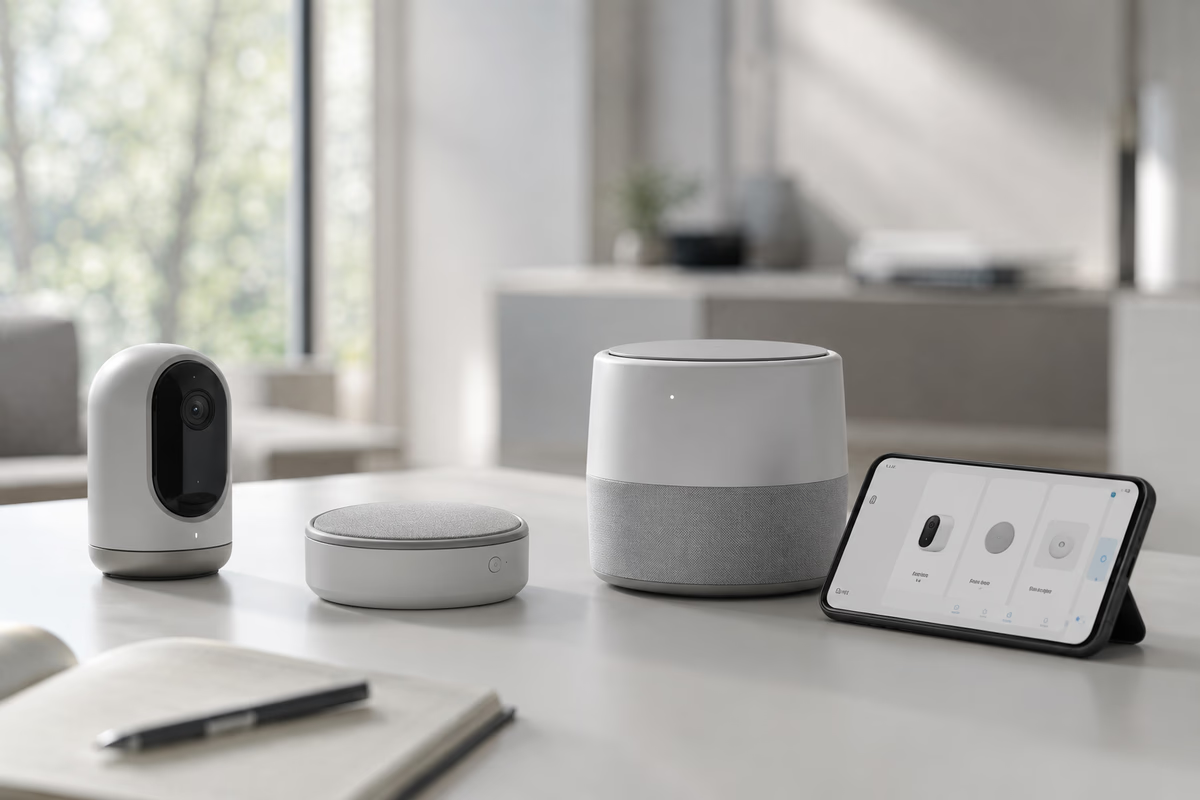
Specialized Scenarios and Ultimate Experience: Experiences like wake-word recognition in smart speakers and gesture interaction in AR glasses require co-design of algorithms and chips tailored to specific sensors and scenarios—an extreme efficiency that general-purpose CPUs and general algorithms cannot achieve.
II. Technical Core: From "Separate Software and Hardware" to "Hardware-Software Co-Design"
Traditional development models have software and hardware engineers working independently, integrating only at the end. True "AI + hardware-software integration" requires holistic thinking from the outset:
Symbiosis of Algorithms and Chips:
Custom Chips for Algorithms (ASIC): For example, Google's TPU (Tensor Processing Unit) is designed specifically for neural network inference and training, far outperforming general-purpose CPUs/GPUs.
Optimizing Algorithms for Chips: Given the limited computing power and memory of terminal chips, AI models need optimization techniques such as Pruning, Quantization, and Distillation to ensure accuracy while making the model "small and beautiful," capable of running efficiently in resource-constrained environments.
Closed Loop of Sensors and Perception Algorithms: The "eyes" and "ears" of smart devices are various sensors (cameras, microphones, LiDAR, IMU, etc.). AI algorithms must be deeply coupled with sensor characteristics. For example, compensating for lens distortion through algorithms, or eliminating noise and errors from a single sensor through multi-sensor fusion algorithms, thereby perceiving the world more accurately.
Cloud-Edge Collaboration: The ideal architecture is "Cloud Training, Edge Inference." In the cloud, massive data and powerful computing resources are used to train and iterate complex models. The optimized lightweight models are then deployed to thousands of terminal devices for real-time inference. The two work together to form a continuously self-evolving intelligent system.
III. Challenges and Solutions
This path of innovation is not smooth and is full of technical challenges:
Extremely High Technical Barriers: Requires a team proficient in AI algorithms, embedded software development, hardware architecture, and even chip design—multidisciplinary talent is scarce.
High Trial-and-Error Costs and Long Cycles: Hardware mold opening and production cycles are long. Once a design is completed and a flaw is discovered, the cost of modification is enormous.
Complex System Optimization: A delicate balance must be struck among power consumption, heat dissipation, computing power, cost, and size—a complex system engineering problem.
Strategies:
Adopt Agile Hardware Development: Use FPGAs (Field-Programmable Gate Arrays) for prototype verification. Their flexible reprogrammability significantly reduces early trial-and-error costs.
Modular and Platform-Based Design: Build common hardware reference designs and software middleware platforms, enabling rapid customization for different application scenarios and shortening development cycles.
Strengthen Cross-Disciplinary Team Collaboration: Algorithm engineers, software engineers, and hardware engineers must communicate closely and work in parallel from the project's inception.
IV. Future Outlook: Ubiquitous Intelligence
The future of "AI + hardware-software integration" is an era of Ambient Intelligence. From smart homes and wearable health devices to smart factories, smart agriculture, and autonomous driving cities, every device in the physical world will become intelligent, considerate, and efficient by being infused with an "AI soul."
Embrace the New Era of Smart Hardware by Starting with a Reliable Technology Partner
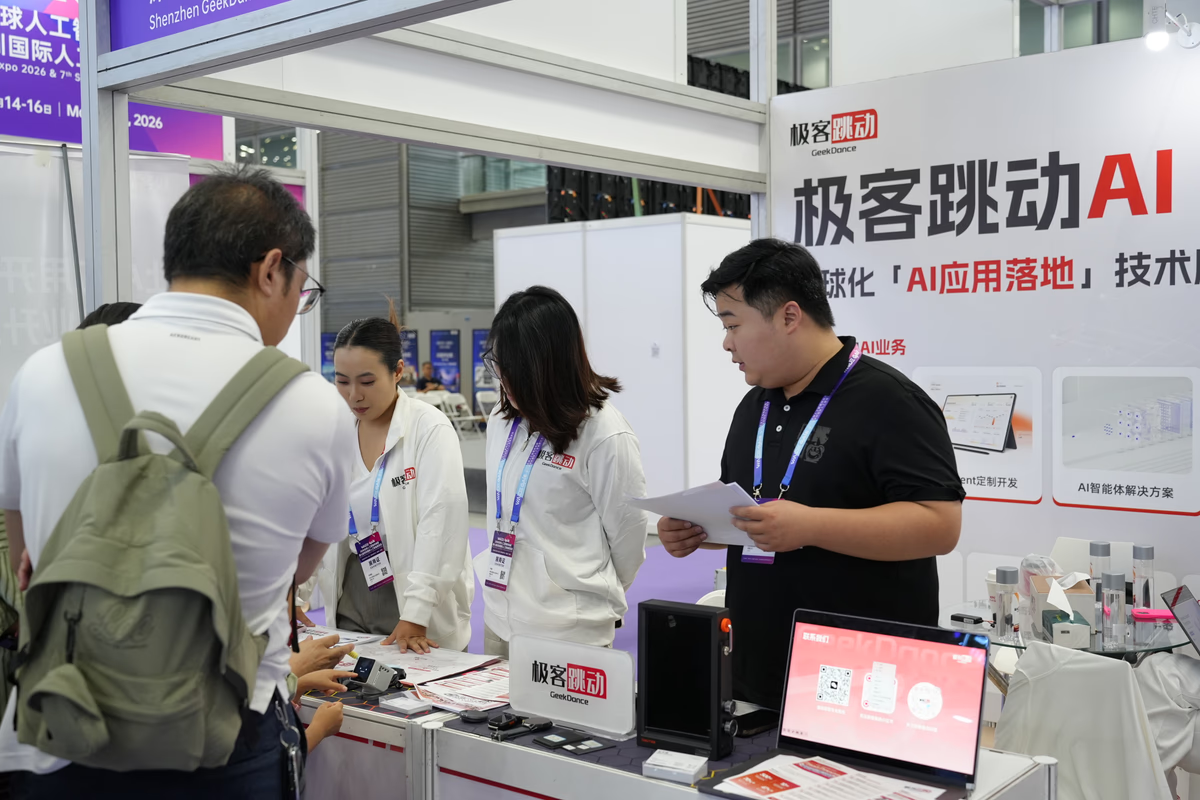
GeekDance deeply understands the complexity and immense potential of "AI + hardware-software integration." We not only have experienced AI algorithm and software engineers but also work closely with top hardware design partners, committed to providing customers with full-stack solutions from concept validation, algorithm optimization, embedded development to system integration.
We firmly believe that true innovation occurs at the intersection of the physical and digital worlds. If you are dedicated to creating a groundbreaking smart hardware product, GeekDance is willing to leverage our deep technical expertise and cross-disciplinary collaboration capabilities to help you turn innovative ideas into stunning market-ready products, unlocking the infinite potential of next-generation smart devices together.
Technology is not the goal — exponential business growth is.