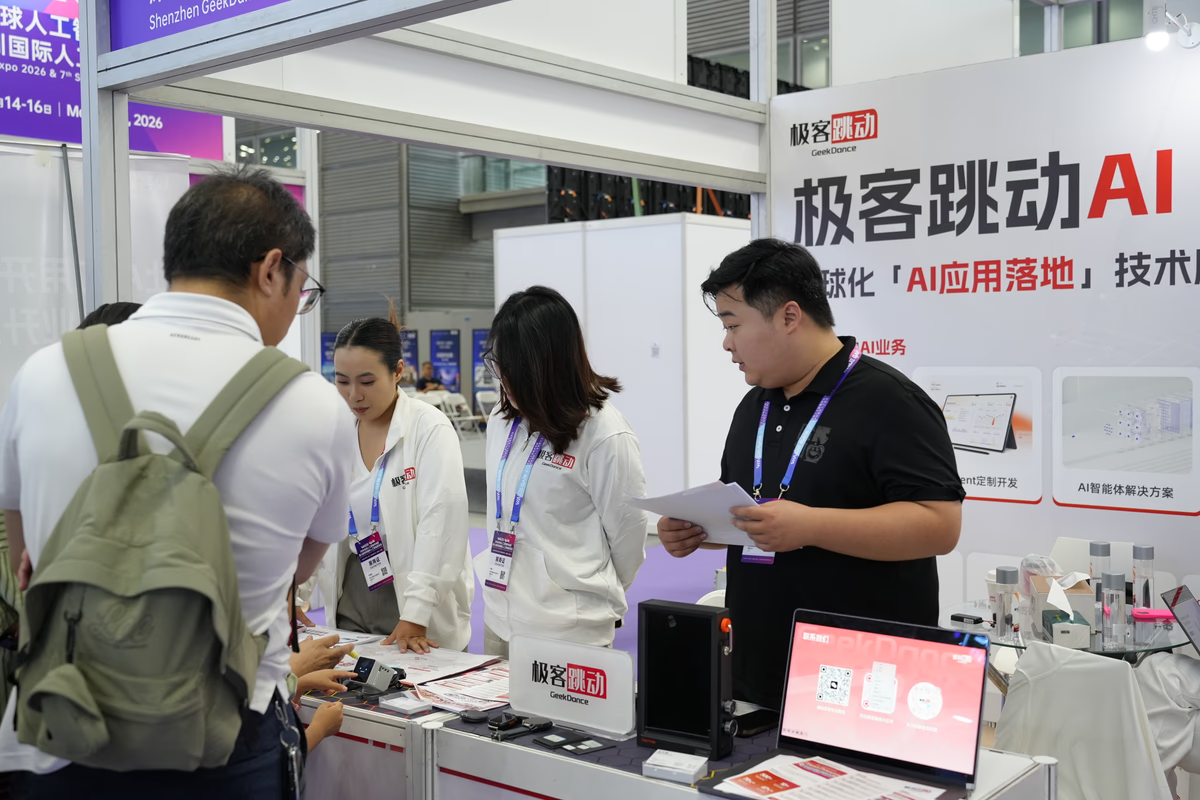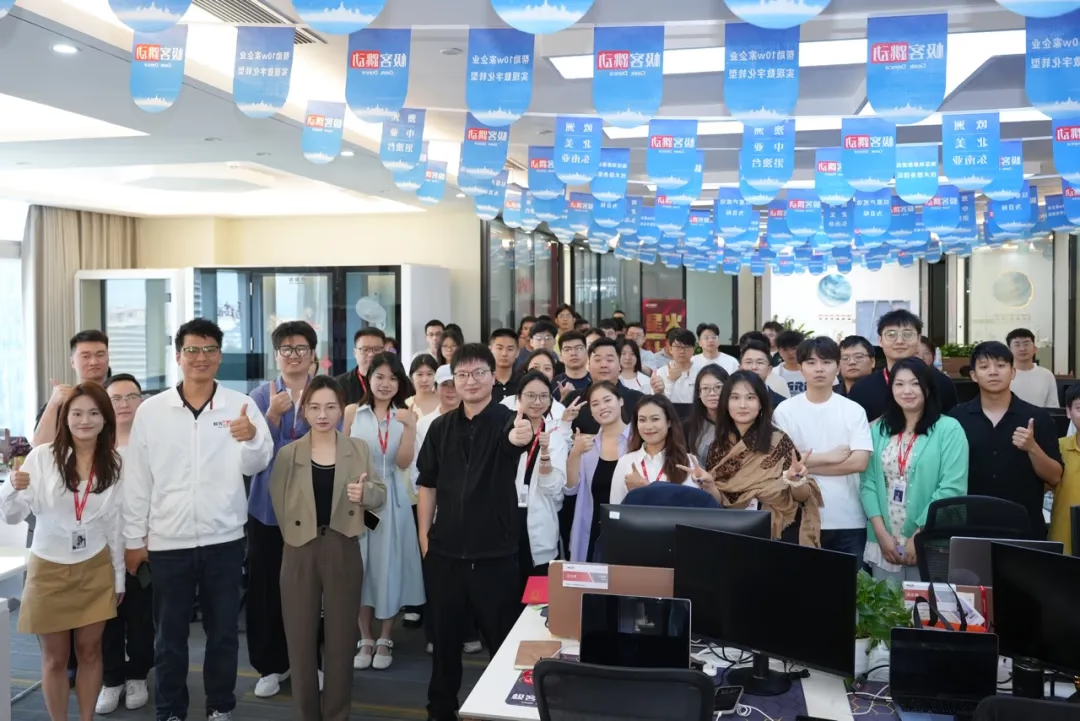
Many enterprises want to undergo digital transformation but fear technical complexity or wasted investment. With 10 years of experience in AI technology services and software development, GeekDance has helped over 100 enterprises transform and implemented more than 300 digital projects, summarizing a key rule: enterprises don't need to rush into "full digitalization." By adopting a step-by-step software development approach—"first solve pain points, then build systems, and finally expand results"—they can avoid detours and achieve tangible outcomes.

1. Why Should Enterprise Transformation Be Done in Steps? First Avoid Risks, Then Advance
Many enterprises initially aim for "full digitalization" but encounter obstacles. Among GeekDance's clients, 30% once launched a complete system at once, resulting in either employees unable to learn it leading to system idleness, or the new system being disconnected from old business processes. There are three main types of risks:
Technical integration risk: A machinery factory purchased a ready-made intelligent management system, but due to incompatibility with existing production equipment, the new system couldn't be used and disrupted old processes, causing a 3-day shutdown with losses of 200,000 yuan.
Employee adaptation risk: A chain supermarket implemented a full-process digital system, but cashiers and sales associates couldn't learn to operate it, leading to customer complaints. Within half a month, they reverted to the old method.
Investment waste risk: An educational institution spent millions developing a comprehensive online platform, but ended up only using the live streaming feature; the course selection and Q&A modules sat idle, wasting 600,000 yuan.
GeekDance's solution: First, thoroughly understand the client's existing business processes, employee capabilities, and core needs, then develop adaptive software in stages, ensuring stable transformation and quick results.
2. Practical Cases of Phased Client Transformation
Different industries have different transformation needs, but the approach of "step-by-step development, on-demand upgrades" is universal. The following three cases cover manufacturing, retail, and automotive industries, all achieving breakthroughs through software development.
(1) Case 1: Helping an Established Machinery Factory Achieve "Production Digitalization," 3 Steps to 40% Efficiency Improvement
Client Pain Points: A 20-year-old auto parts factory relied on manual data recording on the production line, with an order delay rate of 25% and a quality inspection pass rate of 88%. They wanted intelligent production but feared affecting capacity.
Phased Solution:
Step 1: Implement a "data collection tool" in 1 month—develop lightweight data entry software, interface with device sensors, allow workers to scan QR codes to record progress, and add anomaly alerts. Effect: Data recording time reduced from 2 hours to 20 minutes, delay rate dropped by 15%.
Step 2: Pilot an "AI quality inspection module" on 2 production lines—add image recognition functionality to judge part quality in 1 second, 5 times faster than manual inspection, with on-site technical staff for training. Effect: Pass rate increased to 96%, each line saved wages of 3 quality inspectors per day, saving 60,000 yuan per month.
Step 3: Launch a "full-process management system"—integrate data collection, AI inspection, and order management, allowing the boss to check progress and pass rates on their phone, with automatic scheduling. Provide 3 days of training before launch. Effect: Delay rate dropped by 5%, production efficiency increased by 40%, without affecting normal production.
(2) Case 2: Helping a Chain Clothing Store Achieve "Online-Offline Integration," Boosting Sales via Live Streaming
Client Pain Points: A chain of 12 offline clothing stores saw customer traffic halved after the pandemic. They wanted to do live streaming but lacked technology. After outsourcing a trial stream, the revenue didn't cover the service fee.
Phased Solution:
Step 1: Develop a "store live streaming tool" (cost < 20,000 yuan)—a minimalist software that works with a phone, including "one-click add link" and "send coupons," plus an inventory sync module. Effect: A pilot in a Changsha store saw a sales associate sell out a month's inventory in 3 days, with monthly salary rising from 5,000 to 20,000 yuan.
Step 2: Build a "sales associate training + data dashboard" system—add live streaming tutorials (teaching camera angles, product presentation) to the software, and a data dashboard for the boss to view store live sales and bestsellers. Effect: 8 stores started live streaming, monthly sales increased by 80%, with the worst-performing store seeing a 30% increase.
Step 3: Launch an "online-offline integrated system"—develop "order online, pick up in store" and unified membership points. Effect: Annual sales for all 12 stores increased by 280%, with live/online orders accounting for half. Total cost < 100,000 yuan, recouped in 3 months.
(3) Case 3: Helping an Auto Company with "User Sentiment Analysis," from Reactive to Proactive Improvement
Client Pain Points: An auto company was often criticized for "laggy infotainment" and "poor after-sales service," but didn't know the specific issues. They only reacted after complaints went viral.
Phased Solution:
Step 1: Develop a "sentiment capture mini-system"—scrape comments from Douyin and auto forums, automatically filter keywords like "infotainment" and "after-sales," and send daily reports to customer service. Effect: Customer service saved 4 hours daily filtering information, discovering that "2023 model infotainment lag" was a major issue.
Step 2: Add an "AI analysis feature"—classify user comments as "complaint/suggestion/praise," pinpoint city and model, e.g., "Beijing 2023 model owners complain more." Effect: The auto company released an upgrade package, reducing complaints by 60%.
Step 3: Connect to a "product improvement module"—link sentiment data to the product department, enabling quick implementation of user suggestions (e.g., "custom navigation voice"). Effect: New infotainment approval rating rose from 58% to 89%, after-sales complaints dropped by 75%.
3. Three Keys to Successful Enterprise Transformation
In GeekDance's 10 years of experience, successful transformation doesn't rely on "high-end technology" but on grasping three points:
Understand the client's current situation before development: Ask "what's the biggest headache" and "can employees learn complex operations?" Don't blindly push full solutions. For example, start with simple data tools for the machinery factory to match their capabilities.
Iterate in small steps before scaling: Pilot in one store or two lines first, see results, then expand. This keeps investment low and risks manageable, allowing timely adjustments.
Software plus supporting services: Many transformations fail because users don't know how to use the system. So provide tutorials, on-site training, and even help with data adjustment after development. For instance, not just giving tools to the clothing store but also training sales associates for live streaming.
Conclusion: For Enterprise Transformation, "Usable" Matters More Than "Advanced"
Many now believe digital transformation is a must for enterprises, but they don't need to pursue perfection in one step. First complete the basic transformation goals, then gradually advance to higher levels.
GeekDance's experience serving over 100 enterprises and 300+ projects proves: What enterprises need is not a "looks impressive" system, but software that solves problems, is usable by employees, and yields returns on investment. Phased development and on-demand upgrades avoid risks while delivering results—this is the practical approach to helping enterprises transform, and the fundamental reason we've been doing this for 10 years.
Technology is not the goal — exponential business growth is.